Keyword: brca
Search Results for Keyword: brca page 10



Relevance: Medium-High
Most relevant for: People with, or at high risk for lymphedema after breast cancer
Study: Research suggests exercise is safe for breast cancer patients at risk for lymphedema
Patients and health care providers are often concerned about how exercise affects lymphedema (swelling in the arm or hand) in breast cancer survivors or other women who have had lymph node biopsy at the time of mastectomy. Research on this topic has been mixed. A new study suggests that exercise after breast cancer treatment does not lead to lymphedema or worsen existing lymphedema. However, because this study was small, more work needs to be done to understand the relationship between exercise and lymphedema in cancer survivors. (2/22/17)
READ MORE ›
Relevance: Medium-High
Most relevant for: Hispanic women
Study: A step in the development of a new breast cancer risk assessment tool for Hispanic women
Current tools used to calculate breast cancer risk make their estimations based on data from non-Hispanic white women and may not accurately predict breast cancer risk in women of other races and ethnicities. With further testing, a new risk assessment tool developed specifically for Hispanic women could more accurately predict breast cancer risk in women who do not have mutations in BRCA or other genes associated with hereditary breast cancer. (02/07/17)
READ MORE ›
Relevance: Medium
Most relevant for: People interested in genetic testing for an inherited mutation
Study: Angelina Jolie spoke out on BRCA testing: Did genetic testing increase?
Angelina Jolie published an editorial in the New York Times in 2013 about her choice to have a double mastectomy after finding out she was positive for a BRCA1 mutation. Researchers from a recent study claim that her celebrity endorsement of BRCA testing may have missed its target audience (previvors), due to the increase in BRCA testing following publication of the editorial but a decrease in the number of mastectomies performed. However, the study failed to take into account that many women without breast cancer do not pursue mastectomy in the months following genetic testing. (1/4/17)
READ MORE ›
Relevance: Medium
Most relevant for: Women under 50 years of age who have had or are considering removing their ovaries
Study: Removing ovaries before age 50 may increase the risk of chronic conditions for some women
Removal of ovaries and fallopian tubes prevents ovarian cancer, but it may come with other health risks. Experts recommend removal of ovaries and fallopian tubes in women at high risk for ovarian cancer due to inherited mutations in BRCA or other genes linked to ovarian cancer risk. For these high-risk women the benefit of ovarian cancer prevention outweighs the risk of long-term complications. Based on a recent study, some researchers feel that for women who are not at increased risk for cancer, the risk for some chronic conditions is too high to consider removal of both ovaries. (11/1/16)
READ MORE ›
Relevance: Medium
Most relevant for: Women who are at high risk for breast cancer due to family history, dense breasts, LCIS, or multiple biopsies
Study: Breast cancer screening should be tailored to a woman’s risk factors and breast density
The United States Preventative Services Task Force (USPSTF) recommends a screening mammogram every other year for women ages 50-74 who are at average risk for breast cancer. But do all patients in this category benefit from this screening regimen? 10/18/16
READ MORE ›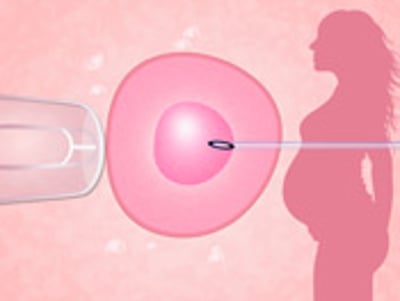
Relevance: Medium
Most relevant for: Woman at average risk for breast cancer who have or are considering undergoing In Vitro Fertilization
Study: Does IVF increase a woman’s risk for breast cancer?
In vitro fertilization (IVF) wasn't commonly used until the 1980s, so its long-term effects are mostly unknown. A new study suggests that the treatment does not increase a woman's risk for developing breast cancer. (8/23/16)
READ MORE ›
Relevance: Medium-High
Most relevant for:
Study: Extending aromatase inhibitor duration to 10 years lowers recurrence for ER/PR+ breast cancer patients
Hormonal therapy reduces the risk of recurrence for women with early-stage breast cancer that is ER-and/or PR-positive. Standard therapy lasts 5 years. A new study looks at whether extending one type of hormonal therapy, known as aromatase inhibitor therapy, to 10 years lowers recurrence rates even more for these women. (7/26/16)
READ MORE ›
Relevance: Medium-High
Most relevant for: Women who drink alcohol and are concerned about their breast cancer risk.
Study: Does light alcohol consumption affect your breast cancer risk?
Alcohol is known to increase breast cancer risk, but does that include light consumption? This study indicates that some breast cancer occurrences and mortality is due to light alcohol consumption. (06/21/16)
READ MORE ›
Relevance: Medium-High
Most relevant for: Women with dense breast tissue on mammograms
Study: Dense breast notifications are informative but hard to read and understand
Some states offer women dense breast notifications that are meant to explain that dense breasts are risk factors for breast cancer and can hide cancer on mammograms, and to identify appropriate supplemental screening options. But recent research found that this information is often not easy to read or understand, which questions the usefulness of the documents. (6/7/16)
READ MORE ›
Relevance: Medium
Most relevant for: Women with a BRCA mutation who want to become pregnant
Study: Do BRCA mutations affect fertility?
Age affects fertility. As women age, their ovaries release eggs that are not as healthy as those released in younger women. Fewer eggs are released each menstrual cycle as women age, making it harder for older women to become pregnant. Are women with BRCA mutations less fertile? Previous research suggested that BRCA mutations might affect women's fertility as she ages. A recent study found that BRCA1 mutation carriers may have slightly lower fertility than women without the same mutation, but more research is needed before this finding is useful for medical decision-making. (5/24/16)
READ MORE ›