Categories Side Effects
Search Results for Categories Side Effects page 2



Relevance: Medium-High
Most relevant for: People with advanced endometrial cancer
Study: Managing the side effects of advanced endometrial cancer treatment
Immunotherapy plus targeted therapy is a treatment option for advanced endometrial cancer that has progressed after prior treatment. People who start the two-drug combination are more likely to have a positive experience if they learn about the possible side effects and when they might occur. The most common side effects and how to manage them are discussed in this review. (Posted 9/25/24)
Este artículo está disponible en español.
READ MORE ›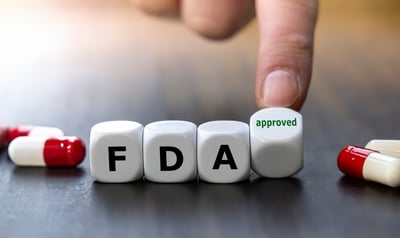
Relevance: Medium
Most relevant for: People with prostate cancer
Update: News from the FDA: First-line treatment and biosimilars for prostate cancer
The FDA recently approved a first-line treatment for non-metastatic, castration-sensitive prostate cancer. Approval was also given to two new drugs known as biosimilars that can be used in place of two already approved biologics to prevent bone weakening, pain or fractures that may occur from certain hormone therapies or from cancer that has spread to the bone. (Posted 9/10/24)
Este artículo está disponible en español.
READ MORE ›
Relevance: High
Most relevant for: People diagnosed with cancer
Topic: Acupressure for cancer symptom relief
Acupressure is a safe treatment that can be used to relieve some symptoms of cancer and side effects of treatment. Light pressure applied to key points on the body may help with fatigue, sleep, nausea and possibly other symptoms as well. (Posted 8/1/24)
Este artículo está disponible en español.
READ MORE ›
Relevance: Medium-High
Most relevant for: Cancer patients
Topic: Experts call for early palliative care for cancer patients
People with cancer need support and care not only at the end of life but from the time of diagnosis. At the 2024 American Society of Clinical Oncology (ASCO) annual meeting, the organization’s president urged cancer healthcare professionals to make palliative care central to cancer treatment. (Posted 7/17/24)
Este artículo está disponible en español.
READ MORE ›
Relevance: Medium-High
Most relevant for: Gay and bisexual men diagnosed with prostate cancer
Topic: Sexual health concerns of gay and bisexual men with prostate cancer
Prostate cancer therapy can affect gay and bisexual men differently than heterosexual men. Many urologists do not routinely address these unique concerns. Selecting providers who understand the concerns that are unique to gay and bisexual patients and asking questions about sexual health concerns may improve these patients' healthcare experiences. (Posted 9/21/23)
Este artículo está disponible en español.
READ MORE ›
Relevance: Medium-High
Most relevant for: People with breast cancer or metastatic breast cancer in sexual or intimate relationships and their partners
Topic: Sex and intimacy after breast cancer
A breast cancer diagnosis and treatment can affect relationships with romantic partners. This review highlights two studies that looked at how people with breast cancer and their partners are affected, how they cope, how best to communicate with each other and how to talk with healthcare providers about concerns related to cancer and sexuality. (Posted 8/8/23)
Este artículo está disponible en español.
READ MORE ›
Relevance: High
Most relevant for: People with early-stage breast cancer who are post-menopausal
Study: Treatment to reduce bone fractures also improves breast cancer survival in postmenopausal people
A large study looked at the effects of adding the bone-protective drug denosumab (Prolia), to standard hormone therapy for the treatment of early-stage, postmenopausal, HR-positive breast cancer. The researchers found that adding denosumab to aromatase inhibitor hormonal therapy improved bone health, disease-free survival and overall survival. (Posted 2/27/23)
Este artículo está disponible en español.
READ MORE ›
Relevance: Medium-High
Most relevant for: People currently undergoing treatment for cancer
Guideline: Guidelines on exercise, diet, and weight during cancer treatment
Most professional guidelines on exercise, diet and weight management have focused on the health of the general population and cancer survivors. The American Society of Clinical Oncology (ASCO) has now published evidence-based recommendations for exercise, diet and weight specifically for people who are in active treatment for cancer. (Posted 11/29/22) Este artículo está disponible en español.
READ MORE ›
Relevance: Medium-High
Most relevant for: People taking a PARP inhibitor for ovarian cancer maintenance therapy
Study: More is not better: PARP dose can be safely reduced for people with ovarian cancer
Maintenance therapy with a PARP inhibitor is now the standard of care for many people with advanced or recurrent ovarian cancer. However, PARP inhibitors may have significant side effects. This study shows that reducing the dose of a PARP inhibitor does not affect survival. (Posted 11/8/22)
Este artículo está disponible en español.
READ MORE ›
Relevance: High
Most relevant for: People with pancreatic cancer who are dealing with related pain.
Update: Strategies for managing pancreatic cancer pain
Abdominal pain is often a severe, ongoing symptom of pancreatic cancer, yet little research has been done on how to best reduce this pain. The authors of this review discuss current strategies for managing cancer-related pain and their effectiveness. (Posted 10/31/22)
Este artículo está disponible en español.
READ MORE ›