Featured Research Search Results
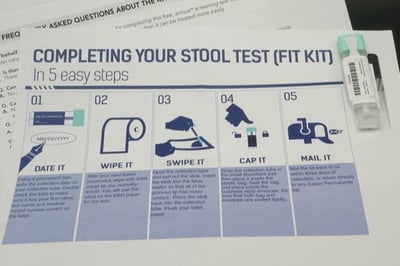
FIT Testing for Colorectal Cancer Screening in People with Lynch Syndrome
Clinicaltrials.gov identifier:
NCT06898996
Prevention
Colon cancer screening study for people with Lynch syndrome

Multi-Cancer Detection Blood Tests in Adults Without Cancer: Vanguard Study
Clinicaltrials.gov identifier:
NCT06995898
Prevention
A study testing two multi-cancer detection blood tests in people who do not have cancer

Evaluating the Safety of Nipple Sparing Mastectomy in Women With a High Risk for Breast Cancer
Clinicaltrials.gov identifier:
NCT06888388
Prevention
Study for people considering double mastectomy to reduce breast cancer risk

Vaccine for People at High Risk for Pancreatic Cancer
Clinicaltrials.gov identifier:
NCT05013216
Prevention
Phase 1 pancreatic cancer prevention study for people at high risk

A Study for Women Having Revision Breast Implant Surgery
Clinicaltrials.gov identifier:
NCT05945329
Prevention
An interventional study for women undergoing revision breast implant surgery

SCREEN-CUP: Menstrual Cup Screening for Endometrial Cancer in Lynch Syndrome
Clinicaltrials.gov identifier:
NCT07220239
Prevention
Screening study for endometrial cancer

An Early Detection and Prevention Study for People with an Increased Risk of Cancer (InAdvance)
Clinicaltrials.gov identifier:
NCT05463796
Prevention
Study for people at risk of cancer, including previvors, survivors and family members

Genetic Testing for Cancer Risk for Black Families in Texas
Clinicaltrials.gov identifier:
NCT05694559
Prevention
Study to improve genetic counseling and testing to Black families in Texas

Low Dose Tamoxifen With or Without Omega-3 Fatty Acids for Breast Cancer Risk Reduction
Clinicaltrials.gov identifier:
NCT06195306
Prevention
Phase 2 study for overweight postmenopausal women at increased risk for breast cancer

A Study of Fallopian Tube Removal with Delayed Ovary Removal to Lower Ovarian Cancer Risk (TUBA-WISP-II)
Clinicaltrials.gov identifier:
NCT04294927
Prevention
Prevention study for women at high risk for ovarian cancer

Using a Shorter Type of MRI as a Screening Tool for People at High Risk for Prostate Cancer
Clinicaltrials.gov identifier:
NCT05384535
Prevention
Screening for people at high risk for prostate cancer

The Prostate Cancer, Genetic Risk, and Equitable Screening Study (ProGRESS)
Clinicaltrials.gov identifier:
NCT05926102
Prevention
Prostate cancer screening study for male US veterans age 55–69

A Study to Compare Two Surgical Procedures in Women with BRCA1 Mutations to Assess Reduced Risk of Ovarian Cancer (SOROCk)
Clinicaltrials.gov identifier:
NCT04251052
Prevention
Ovarian cancer prevention for women with a BRCA1 mutation who still have their ovaries

Using the Drug eRapa to Prevent the Growth of Polyps in People with Familial Adenomatous Polyposis (SERENTA)
Clinicaltrials.gov identifier:
NCT06950385
Prevention
Prevention study for people with Familial Adenomatous Polyposis (FAP) who have polyps in the colon or rectum

Pancreatic Cancer Screening Study (CAPS5)
Clinicaltrials.gov identifier:
NCT02000089
Prevention
Screening study for people at high risk for pancreatic cancer

Testing the Investigational Drug REC-4881 in People With Familial Adenomatous Polyposis (FAP) (TUPELO Study)
Clinicaltrials.gov identifier:
NCT05552755
Prevention
Prevention study for people with an APC mutation and FAP who have had colectomy surgery
PATROL Study: Prostate Cancer Screening for People AT Genetic Risk FOr Aggressive Disease
Clinicaltrials.gov identifier:
NCT04472338
Prevention
Screening study for people with a mutation linked to prostate cancer risk

The DETECT Study: Detecting Endometrial Cancer in Tampons
Clinicaltrials.gov identifier:
NCT03538665
Prevention
Early detection of endometrial cancer in women undergoing hysterectomy surgery at the University of Alabama
Sponsored By
