Melanoma



Relevance: High
Most relevant for: People with inherited cancer-related genetic mutations and their families
Study: Family communication and genetic testing after an inherited cancer risk is identified
A new study found that most people with an inherited cancer-related gene mutation share their results with family members. However, many relatives never pursue genetic testing. This means some relatives may miss opportunities to learn about their cancer risk and take steps to reduce it through screening, prevention or early detection. (posted 10/1/2026)
READ MORE ›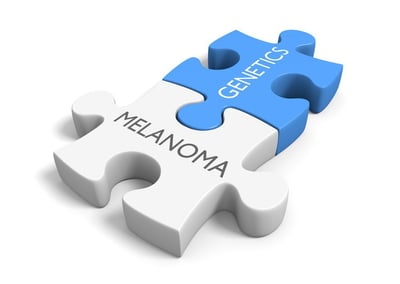
Relevance: Medium-High
Most relevant for: People who may be at high risk for melanoma
Study: Mutations in familial melanoma genes and cancer risk
Researchers studied nearly 700,000 people from the United States and the United Kingdom to learn how common mutations in familial melanoma genes are in the general population. They found that these mutations may be more common than previously estimated and were often found in people who developed melanoma at a young age or who had more than one melanoma. These findings suggest that some people with melanoma may benefit from discussing genetic counseling and testing with their healthcare provider. (posted 7/28/2026)
READ MORE ›
Relevance: High
Most relevant for: cancer survivors experiencing ongoing anxiety after completing treatment who are looking for accessible, effective mental health support options.
Study: Music therapy as effective as cognitive behavioral therapy for anxiety in cancer survivors
A study published in the Journal of Clinical Oncology found that music therapy delivered by telehealth worked just as well as cognitive behavioral therapy (CBT) to reduce anxiety among cancer survivors. Both approaches led to meaningful and lasting improvements, not only in anxiety, but also in sleep, fatigue and overall quality of life. These findings give patients more flexible, evidence-based options for managing emotional health after cancer. (posted 6/12/2026)
READ MORE ›
Relevance: Medium-High
Most relevant for: People who have had or are considering liquid biopsy testing
Topic: What patients need to know about liquid biopsies in cancer care
Liquid biopsies are tests that look for signs of cancer in blood or other body fluids. These signs can include cancer cells that have broken away from a tumor, pieces of cancer cell DNA and proteins or other biomarkers found in cancer cells. Liquid biopsies can be used to screen for cancer before a cancer diagnosis or guide treatment after a diagnosis. (posted 2/6/26)
READ MORE ›
Relevance: Medium
Most relevant for: People with an inherited mutation in CDKN2A
Article: Life with a high-risk pancreatic and melanoma cancer mutation
One woman seeks genetic testing after her sister died of pancreatic cancer. Despite how her family’s mutation in the CDKN2A gene resulted in multiple cancer diagnoses and deaths and a suspicious finding during her own pancreatic cancer screening, Amarensia Spruitenburg shares a message of hope and gratitude. By telling her story, Amarensia highlights the impact that hereditary cancer can have on families. (Posted 11/22/24)
Este artículo está disponible en español.
READ MORE ›
Relevance: Medium-High
Most relevant for: People with cancer interested in using cannabis to help manage symptoms.
Study: Use of cannabis for cancer symptom management
Among people with cancer, interest in the use of cannabis to manage cancer symptoms and treatment side effects is high. The world's leading professional organization of oncologists has published strategies to help adults with cancer and their healthcare providers have open, nonjudgmental discussions about the use of cannabis to manage cancer symptoms. (Posted 9/27/24)
Este artículo está disponible en español.
READ MORE ›
Relevance: High
Most relevant for: People diagnosed with cancer
Topic: Acupressure for cancer symptom relief
Acupressure is a safe treatment that can be used to relieve some symptoms of cancer and side effects of treatment. Light pressure applied to key points on the body may help with fatigue, sleep, nausea and possibly other symptoms as well. (Posted 8/1/24)
Este artículo está disponible en español.
READ MORE ›
Relevance: Medium-High
Most relevant for: People with an inherited BRCA mutation
Study: Skin cancer among women with an inherited BRCA mutation
Women with an inherited BRCA1 and BRCA2 mutation have an increased risk of various cancers. Study results suggest that although the risk of non-melanoma skin cancer in these women is similar to the risk of the general population, the risk of melanoma skin cancer is slightly increased. (Posted 7/25/24)
Este artículo está disponible en español.
READ MORE ›
Relevance: Medium-High
Most relevant for: Cancer patients
Topic: Experts call for early palliative care for cancer patients
People with cancer need support and care not only at the end of life but from the time of diagnosis. At the 2024 American Society of Clinical Oncology (ASCO) annual meeting, the organization’s president urged cancer healthcare professionals to make palliative care central to cancer treatment. (Posted 7/17/24)
Este artículo está disponible en español.
READ MORE ›
Relevance: High
Most relevant for: people with metastatic or recurrent cancer
Study: Genetic testing for inherited mutations may be helpful for all people with advanced or metastatic cancer
In a study of nearly 12,000 cancer patients with a variety of cancers, eight percent of participants with metastatic cancer had an inherited mutation in a cancer gene that qualified them for a targeted treatment approved by the FDA or for participation in a clinical trial. The majority of people with metastatic cancer were unaware that they had an inherited mutation, and had not receive gene-directed treatment to which their tumor may have responded. The study authors suggest that genetic testing for inherited mutations may be warranted for all patients with advanced or metastatic cancer. (posted 9/30/21)
Este artículo está disponible en español.
READ MORE ›