Study: Early trial of new vaccine shows promise for people with Lynch syndrome
The Nous-209 vaccine for preventing cancer in people with Lynch syndrome was tested in an early-phase study. The safety and immune response results were encouraging. An immune response was seen in most participants, suggesting that the vaccine may help reduce the chance of developing cancer in people with Lynch syndrome. (posted 3/23/2026)
By: Piri Welcsh, PhD
Reviewed by: Eduardo Vilar-Sanchez, MD, PhD

RELEVANCE
Most relevant for: People with Lynch syndrome.
It may also be relevant for:
- previvors
- people with a genetic mutation linked to cancer risk

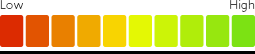
Relevance: Medium
Strength of Science: Medium-High

Research Timeline: Human Research
What is this study about?
This study looked at an experimental vaccine called Nous-209. The goal of the vaccine is to help prevent cancer in people with . The Nous-209 vaccine works by training the immune system to recognize and attack abnormal proteins commonly found in cancers that are linked to .
Why is this study important?
affects about 1 in 300 people in the US; nearly 1 million people are estimated to have it.
People with are born with a change () in one of five repair genes (, , , and ). These mutations cause errors in when cells divide, resulting in abnormal proteins that can lead to cancer.
Since people with have a much higher lifetime risk of developing colorectal, endometrial and other cancers, new prevention options are needed. Researchers want to know if the Nous-209 vaccine can provide an extra layer of protection against developing cancer for people with . By teaching the immune system to identify and respond to cancer-related proteins, the vaccine may help the body detect and destroy cancer cells before they develop into tumors.
Unlike other vaccines that show promise in treating the Lynch syndrome-related cancers, the Nous-209 vaccine is designed to prevent them.
Study approach and findings
This was an early-phase clinical trial. Early-phase trials are not meant to prove that a treatment prevents cancer. They usually include only a small group of participants and are designed to test the safety of a treatment and see how the body responds to it.
This study enrolled 45 people with . All of the participants received the vaccine.
Safety
Safety was evaluated in all study participants. The vaccine was found to be generally safe and well tolerated. No participants left the study due to side effects.
Some people experienced mild side effects from the vaccination. The most common side effects reported were:
- Injection site reactions, such as muscle soreness (91%)
- Fatigue (80%)
Since this was a small study, less common or rare side effects may not yet be known.
Immune system response
Immune system response was measured in 37 of the 45 participants. For 7 participants, there were not enough live cells to measure. A sample was not collected for one participant.
The immune system response data showed that:
- The vaccine successfully activated an immune response in all participants (37) who were evaluated.
- 97% had a detectable immune response at 6 months
- 85% had a detectable immune response at 1 year
While these early results are promising, more research is needed to confirm these findings and understand how well the vaccine may prevent different types of cancer in people with .
What does this mean for me?
Researchers hope the Nous-209 vaccine can be used as a cancer prevention option for people with . However, the vaccine is still being studied and is currently available only in clinical research studies.
Results of this early-phase trial showed promising safety and immune system response data. The next steps involve conducting larger studies to confirm how well the Nous-209 vaccine prevents cancer in people with .
Additional trials will monitor participants over a longer period to see if their immune response leads to a meaningful reduction in cancer rates. If the vaccine continues to show safety and effectiveness, it could move toward approval for wider use. This could reduce the likelihood of getting colorectal, endometrial and other Lynch syndrome-related cancers, potentially lowering the need for frequent, invasive screenings or treatments.
For now, people with should continue their regular screenings and follow the advice of their healthcare providers.
Reference
D’Alise, A.M., Willis, J., Duzagac, F. et al. Nous-209 neoantigen vaccine for cancer prevention in carriers: a phase 1b/2 trial. Nat Med (2026).
Disclosure: FORCE receives funding from industry sponsors, including companies that manufacture cancer drugs, tests and devices. All XRAYS articles are written independently of any sponsor and are reviewed by members of our Scientific Advisory Board prior to publication to assure scientific integrity.
Share your thoughts on this XRAY review by taking our brief survey.
posted 3/22/26
 Questions To Ask Your Doctor
- Do you think this vaccine might be an option for me now or in the future?
- Would I be eligible for the next clinical trial testing this vaccine?
- How can I find out when the next trial enrolls patients?
- Are there other clinical trials for people with that I should know about?
- Should I continue to take high-dose aspirin to prevent cancer?
Share your thoughts!
How helpful was this XRAY review? We’d love to hear your feedback in our brief survey.