Vaccine for People at High Risk for Pancreatic Cancer
Prevention
Phase 1 pancreatic cancer prevention study for people at high risk
Clinicaltrials.gov identifier:NCT05013216
Study Contact Information:
About the Study:
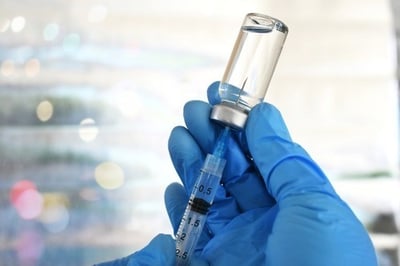
This study is testing an experimental vaccine that helps the immune system recognize changes in a protein called KRAS, which is commonly involved in pancreatic cancer. The vaccine is given with an immune-boosting medicine that helps improve the body’s response.
The main goals are to see whether the vaccine is safe and whether it triggers an immune response that could protect against pancreatic cancer.
There are two groups in the study:
- Study Group A: People at high inherited risk for pancreatic cancer based on family history or genetic mutations.
- Study Group B: People with pancreatic cysts that carry KRAS mutations and are being evaluated for removal.
All participants will also be offered annual follow-up visits after the initial treatment period to support long-term monitoring.
This Study is Open To:
This study is open to people who are at increased risk for pancreatic cancer, with different criteria based on gene mutation, situation and risk. There are several eligible groups.
People with a family history
Adults age 55 or older or 10 years younger than the youngest age of pancreatic cancer in the family with the following:
- at least 2 blood relatives on the same side of the family with pancreatic cancer. At least one of the relatives should be a first degree relative (brother, parent or child).
People with an with a 10% or higher lifetime risk of cancer
People age 40 or older with the following:
- have familial atypical multiple mole melanoma (FAMMM) syndrome or an in .
- people with mutations in or other genes that increase the risk for pancreatic cancer higher than 10% may be eligible. Contact study team for more information.
People with a mutation in , or mutation
People age 50 or older (or 10 years younger than the earliest onset of pancreatic cancer in the family for people with a family history) with an , or mutation may be eligible. No family history of pancreatic cancer is required for people with one of these mutations.
People with a mutation in or
People age 50 or older with a mutation in , , , , with the following:
- at least 2 blood relatives on the same side of the family with pancreatic cancer. At least one of the relatives should be a (brother, parent or child) or a (grandparent, grandchild, aunt, uncle, niece or nephew).
People with a pancreatic abnormality suspicious for cancer who are recommended to have surgery to remove the abnormality
- no family history required.
This Study is NOT Open To:
This study is not open to people who:
- Need another form of cancer treatment while on this study.
- Have an active immunodeficiency condition such as HIV or Hepatitis B or C.
- Have a serious uncontrolled illness (like advanced infection, heart failure, cancer, or uncontrolled psychiatric conditions) that would interfere with study participation.
What the Study Involves:
There are two groups that will be enrolled (see eligibility). If a person enrolls in the study, here’s what they can expect:
Group 1: People eligible based on their mutation or family history
Participants will undergo screening for pancreatic cancer. Participants with one or more abnormal findings on imaging, such as a pancreatic cyst known as an intraductal papillary mucinous neoplasm (IPMN) or pancreatic changes called intraepithelial neoplasia (PanIN) will be eligible to receive the vaccine.
- Participants will receive the KRAS vaccine with the immune-boosting medication called poly-ICLC at weeks 1, 3, and 5.
- Participants will receive a vaccine booster dose at week 13.
- Participants will return for a clinic visit about 4 weeks after the last vaccine for safety evaluation and treatment completion checks.
Group 2: People with a pancreatic abnormality recommended for surgery
Participants will have samples taken of fluid from their cyst. In order to be eligible, the cyst samples must test positive for one of six KRAS mutations.
- Participants will receive the KRAS vaccine with the immune-boosting medication called poly-ICLC at weeks 1 and 2.
- Participants will return for a safety check during week 4 (before planned cyst surgery) and an end-of-treatment visit during week 8.
All participants may stay in the study after the initial treatment phase and have annual follow-up visits to monitor immune response, health status, and any signs of pancreatic changes. Visits may include blood tests and other assessments.
Study Contact Information:
Prevention
Phase 1 pancreatic cancer prevention study for people at high risk
Clinicaltrials.gov identifier:NCT05013216