PUBLISHED: 15th June 2026
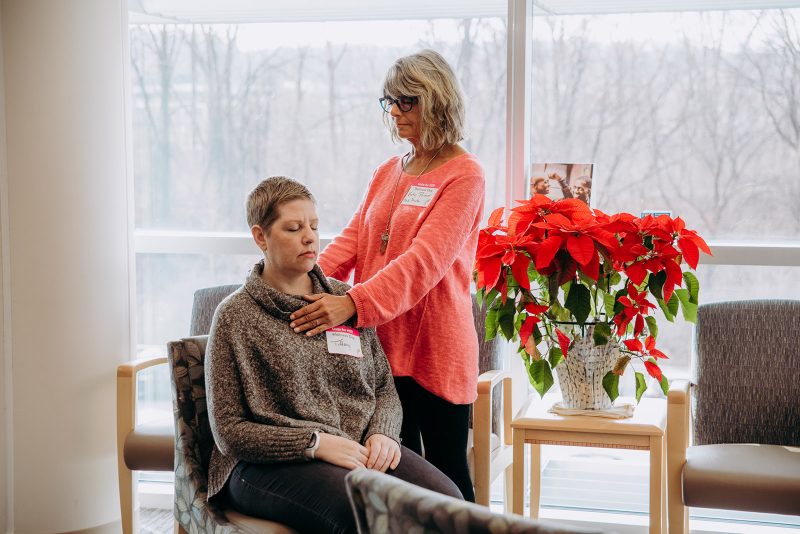
Integrative therapies incorporate conventional care and evidence-based complementary therapies.
Unite for HER provides integrative therapies, services, and support directly to breast and ovarian cancer patients at no personal cost.
Before beginning any complementary therapy, please talk to your oncologist and make sure your treatment is indeed integrative!
Click here to learn more about Unite for HER’s free programs and to enroll today.
How Integrative Therapies Can Help When You Have Cancer
When you have cancer, it is important to empower yourself—body, mind, and spirit—with the tools that can help you navigate your diagnosis. Integrative and complementary medicine include a range of mind-body tools that work with standard medical treatment.
According to cancer.gov, these therapies can help you:
- deal with and ease the side effects of treatment.
- feel better about your diagnosis and treatment.
- maintain a sense of efficacy.
- potentially treat your disease.
Types of Integrative Therapies
Integrative therapies bring evidence-based complementary therapies and conventional medicine together. These complementary therapies include biologically based therapies, emotional/mental approaches, and energetic/spiritual practices. There is strong evidence for some of these, and more research is underway for others.
Physical/Biological Approaches
- Nutrition, including counseling and meal services. Cancer treatment can deplete our bodies, and a Registered Dietitian can help you understand how to get the nutrients you need. These experts also have tips for cancer treatment-related food issues, such as changes in taste, and organizations like Unite for HER provide patients with direct access to healthy foods and meals.
Body-based Practices
These practices focus on the adjustment and alignment of the physical body, and include:
- Acupuncture. This involves placing needles in various meridian treatment points to restore the flow of energy through the energy field. At Unite for HER, all of our acupuncturists are also trained medical doctors. Research shows that this ancient healing practice helps cancer patients with anxiety, depression, mental fatigue, and pain.
- Massage, including shiatsu, deep tissue, craniosacral, and myofascial. At Unite for HER, our massage therapists are trained in oncology massage. It helps us relax, reduces anxiety, improves circulation, and lowers blood pressure. Research is underway to find how it supports people being treated for cancer.
- Chiropractic, including DNFT and other non-force techniques. These therapies are hands-on treatments to manipulate the spine and other organs and tissues in the body. They are used to treat pain, including headaches and back pain.
- Tai Chi and Qi Gong. These involve slow movements designed to promote and balance energies in the system
- Yoga. While yoga includes many spiritual practices from India, in this sense of the word, we address hatha yoga or exercises that incorporate movement, stretching, holding poses, and breathing—all designed to move energy in the system. Yoga can help address fatigue and improve strength during cancer treatment. Additionally, the breathing/meditative aspects of the practice can help with anxiety, depression, and insomnia.
Mind-body practices
These practices are becoming more popular in the mainstream and include:
- Psychotherapy. This is an increasingly popular type of care for people with cancer. Research shows that working with a therapist can help improve overall well-being and decrease anxiety, depression, and distress in cancer patients. At Unite for HER, our therapists are experienced in working with people who have breast or ovarian cancer.
- Mindfulness. This practice of turning again and again to the present moment, with a non-judgmental awareness of our thoughts and feelings, can help you refocus from the fear and worry that cancer often causes.
- Meditation. There are many forms of meditation. All involve a specific posture (seated, walking, yoga, etc.), a quiet place (when possible), focused attention (on the breath, a word or phrase, a concept or idea, or an object), and an openness to the flow of interrupting thoughts and distractions. All forms seem to help people with cancer reduce anxiety, stress, and fatigue, while improving mood and sleep.
- Hypnotherapy, Guided Imagery, Guided meditation. These modalities are delivered by a therapist or a recording. They help us relax and are associated with an increased feeling of well-being. Some studies suggest they may also temporarily improve our immune function. These therapies help lower our brainwaves to alpha or theta levels, where we can be creative, relaxed, and peaceful.
Biofield Therapy
These practices rest on the premise that we have an energy field, or biofield, that can be manipulated with hands-on, hands-over, or distant treatment. They include:
- Reiki. This is the most common form of biofield therapy used in the US today. It involves balancing the energy field via hand placements and the movement of energy. It can also be delivered at a distance via distant Reiki. It can help cancer patients feel calm and maintain treatment.
- Healing Touch and Therapeutic Touch. These hands-on approaches aim to restore balance in the flow of energy through the biofield. Research shows that they reduce pain and improve our sense of calm and wellbeing; many cancer patients find them helpful.