PUBLISHED: 1st September 2026
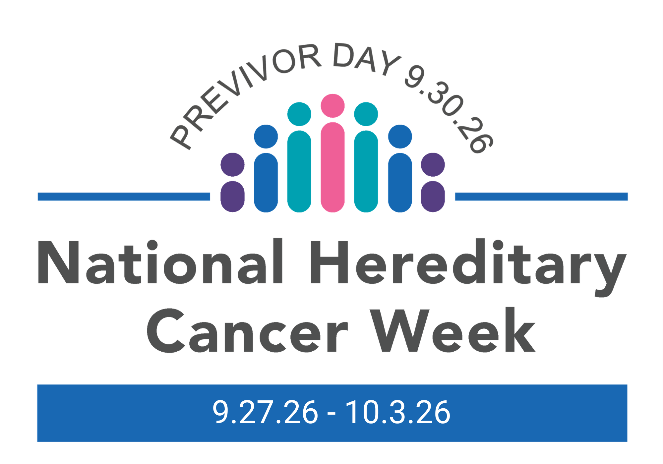
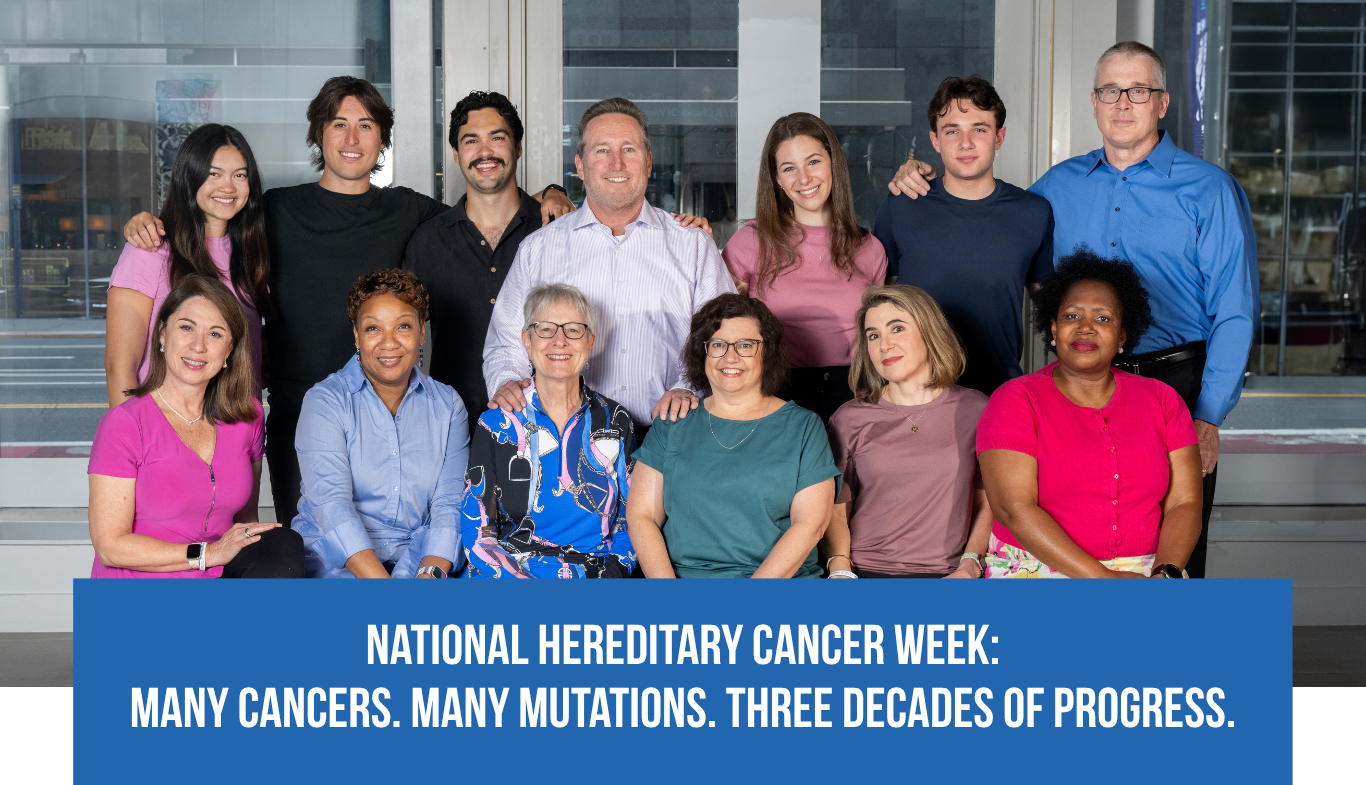
National Hereditary Cancer Awareness Week is September 27 to October 3. It is a time dedicated to raising understanding of inherited cancer risks and supporting families affected by them. But such focus was not always the norm.
Thirty years ago, the hereditary cancer landscape was vastly different. BRCA1 and BRCA2 were newly identified, genetic testing was in its infancy and information about inherited cancer risk was scarce. People at increased risk had few options, and the enormous need for information and scientific advancement was mostly unanswered.
Today, that landscape is dramatically transformed. Genetic testing has revolutionized how we understand, detect, manage and treat inherited cancer risk. Personalized approaches to screening, prevention and targeted treatments offer options for people with certain hereditary cancers.
FORCE is proud to have been a part of this progress. Since 1999, our community has grown alongside the science, sharing information, supporting one another, participating in research and advocating for change.
While there is much more to be done, we can celebrate the progress made over the past several decades:
1990s: Hereditary cancer comes into focus
The discovery of BRCA1 and BRCA2 transformed our understanding of inherited cancer risk. Genetic testing introduced a historic shift in healthcare: the power to understand cancer risk long before a diagnosis and make proactive life choices.
2000s: Growing around the science
As the need for information, support and advocacy grew, FORCE stepped up to bridge the gap. In 2006, we held our inaugural JOINING FORCES conference—the first of 14—and built a lasting network for individuals and families affected by hereditary cancer. The following year, we coined the term "previvor," giving a voice and identity to people with inherited cancer risk who have never had a diagnosis. National Previvor Day (this year on September 30) aims to elevate this community. Our impact expanded to federal policy in 2008, when FORCE helped advocate for passage of the Genetic Information Nondiscrimination Act, safeguarding Americans against genetic discrimination in health insurance and employment.
2010s: Knowledge becomes action
Hereditary cancer gained federal recognition when Congress established National Hereditary Breast and Ovarian Cancer Week and National Previvor Day in 2010. In 2013, the Supreme Court struck down exclusive patents on the BRCA1 and BRCA2 genes, leading to more accessible and affordable genetic testing and research breakthroughs, including new targeted treatments, such as PARP inhibitors for certain hereditary cancers. Genetic counseling, enhanced screening, risk-reducing surgery and personalized surveillance introduced more options to manage personal risk.
Today: Many genes, many cancers—one FORCE family
Modern genetic testing simultaneously screens for dozens of cancer-related gene mutations, including those linked to increased risk for breast, ovarian, colorectal, pancreatic, prostate, gastric and other cancers. Keeping step with this scientific and healthcare evolution, FORCE expanded its mission in 2019 to embrace the much larger hereditary cancer population. National Hereditary Breast and Ovarian Cancer Week was expanded to National Hereditary Cancer Week, to recognize and support all people affected by hereditary cancer.
While our focus began primarily on serving individuals affected by BRCA1 and BRCA2 mutations, we now champion people and families affected by many other mutations and the cancers they can cause. Science has revealed many mutations and many cancers, but there is still only one FORCE community.
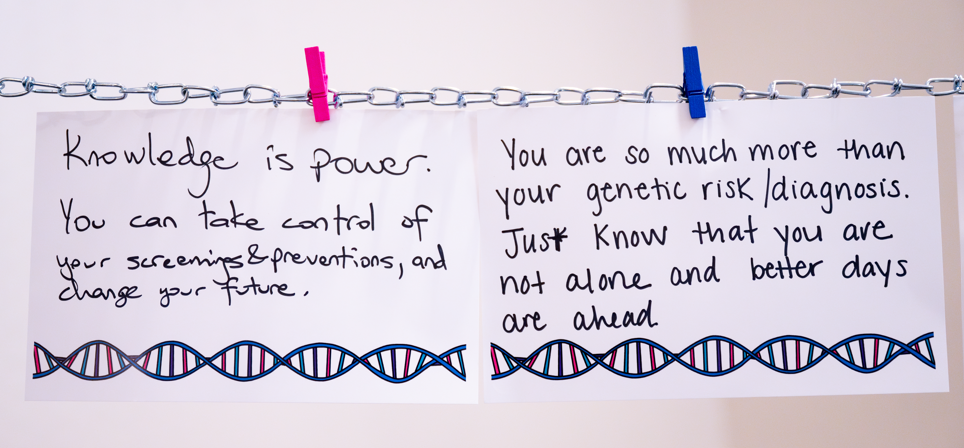
Despite these remarkable strides, as many as 80% of people who have an inherited mutation continue to be unaware of their risk. And we increasingly understand that genetic information doesn't affect just one individual, but entire families across generations. Learning that you have inherited cancer risk can provide potentially lifesaving information for parents, siblings, children and other relatives.
That's why National Hereditary Cancer Week still matters and is more important than ever. This week, we encourage you to learn more about your family health history, talk with your relatives and ask your healthcare provider whether genetic counseling or testing might be appropriate for you.
The past 30 years have shown us what is possible. Let’s put that knowledge to work. Visit our National Hereditary Cancer Week page to learn more.