PUBLISHED: 15th October 2026
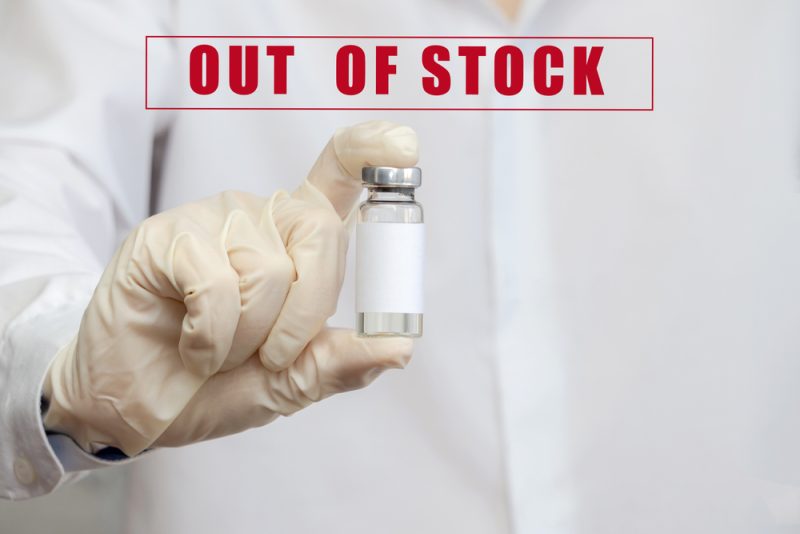
Cancer centers nationwide are facing shortages of essential generic chemotherapy drugs, raising concerns about treatment delays, changes in treatment options, and, in some cases, rationing.
NCCN survey data released in September 2026 found that every responding cancer center had at least one active drug shortage. Pharmacy and clinical teams are using strategies to maintain care schedules, reducing waste, choosing evidence-based alternatives and, when supplies are extremely limited, prioritizing patients most likely to benefit.
A shortage does not mean a drug has stopped working. It means available supplies are not keeping pace with demand—and the effect on an individual patient depends on the drug and the treatment center.
Which drugs are in short supply?
Several older, widely used chemotherapy drugs are currently in short supply in the United States. They include ifosfamide, cisplatin, carboplatin and oxaliplatin—drugs used to treat ovarian, testicular, bladder, breast, lung, head and neck cancers, as well as sarcomas and lymphomas. Because these medicines are central to many treatment plans, even a temporary shortage can create uncertainty for patients.
For example, participating health systems working with a large drug purchasing company received only 38 percent of the ifosfamide and about two-thirds of the cisplatin they ordered. These figures do not mean every cancer center—or every patient—is affected in the same way.
Why are these shortages happening?
The FDA says drug shortages can result from manufacturing problems, shipping delays, ingredient shortages, sudden increases in demand or a company’s decision to stop making a drug. For patients, these shortages can cause treatment delays, shifts to alternative treatment or changes to care locations.
Many affected medicines are older, low-cost generic drugs that are difficult to manufacture. Because they are injected into a vein, they must be made in sterile facilities under strict quality controls. When only a few companies produce a drug, a problem at one factory can sharply reduce supply. Yet these medicines remain among the most effective options for some cancers, especially when no targeted therapy is available.
Low prices can also discourage manufacturers from investing in backup capacity. That leaves the supply chain vulnerable—and gives cancer centers fewer options when production is disrupted.
Widespread rationing has not been reported, but some healthcare providers are spacing doses when medically appropriate and scheduling patients back-to-back so opened vials are fully used.
These conservation measures may disrupt patient appointment schedules, even when the treatment plan remains the same.
The Department of Health and Human Services said the FDA is working to ease shortages, including considering temporary imports from manufacturers that do not usually supply the United States.
How are cancer centers responding?
Cancer centers are using several strategies to protect patients and stretch limited supplies:
- Using evidence-based alternatives with similar benefits and risks.
- Scheduling patients close together so that open vials are fully used.
- Adjusting dose timing or amount when supported by professional guidance.
- Checking whether another treatment center has the drug.
- Prioritizing patients most likely to benefit when no comparable alternative exists.
Your healthcare team should make these decisions using clear, consistent and fair policies—and explain how any change could affect your care. Patients should not be expected to solve a supply problem on their own.
Patient advocates say lasting solutions will require broader policy changes to ensure a reliable supply of lifesaving medicines.
What does this mean for patients?
Do not change or delay treatment on your own. If your plan includes a drug in short supply, ask your cancer care team whether your treatment could be affected, what evidence supports any alternative and how the center makes allocation decisions.
A national shortage does not necessarily mean your cancer center has run out. Availability varies by drug, dose, vial size, location and treatment center. Your team may still be able to give the planned drug, obtain it elsewhere or recommend a well-supported alternative.
If your care may change, ask how the alternative compares in expected benefit, risks and side effects. Although a different drug, dose or schedule may be reasonable, the best option depends on your cancer, treatment goal, previous treatment and overall health.
Do not skip an infusion, stretch a dose or try to obtain chemotherapy on your own. Contact your oncology team if the medicine is unavailable or your appointment changes unexpectedly. Ask whether the change could affect your chance of controlling or curing the cancer and whether a second opinion would help.
Shortages can add stress and practical burdens to cancer care. If a change in treatment or location creates travel, cost or insurance problems, ask for help from an oncology social worker, patient navigator or financial counselor.
What can patients do?
Consider asking your oncologist the following:
- Is any drug in my treatment plan currently in short supply at this cancer center?
- Could the shortage delay or change my treatment?
- If my planned drug is unavailable, what alternatives are recommended for my cancer?
- Is the alternative expected to work as well, and are its side effects different?
- How does the center decide who receives a drug when supplies are limited?
- Could another treatment location provide the planned medicine?
- Will a treatment change affect my insurance coverage or out-of-pocket costs?
- Should I consider a second opinion?
References
- NCCN Findings on Cancer Drug Shortages.
- The New York Times. Report on U.S. chemotherapy drug shortages. June 24, 2026.
- American Society of Clinical Oncology: Drug Shortages.
- Society of Gynecologic Oncology: Chemotherapy Drug Shortage.
- HealthDay: Cancer Drug Shortage Renews Calls for Federal Action. June 26, 2026.